

 Confidently Explore the Botanical Wellness Trend
  Successfully Promote Your Business
  Healthy Hooves and Joints
  Children and Japanese Fashion
  The Relationship Counseling Benefits
  Clothes Shopping Online Yips
  Assist Your Small Company Succeed
  Before You Invest Money
  Latest FBI Background Check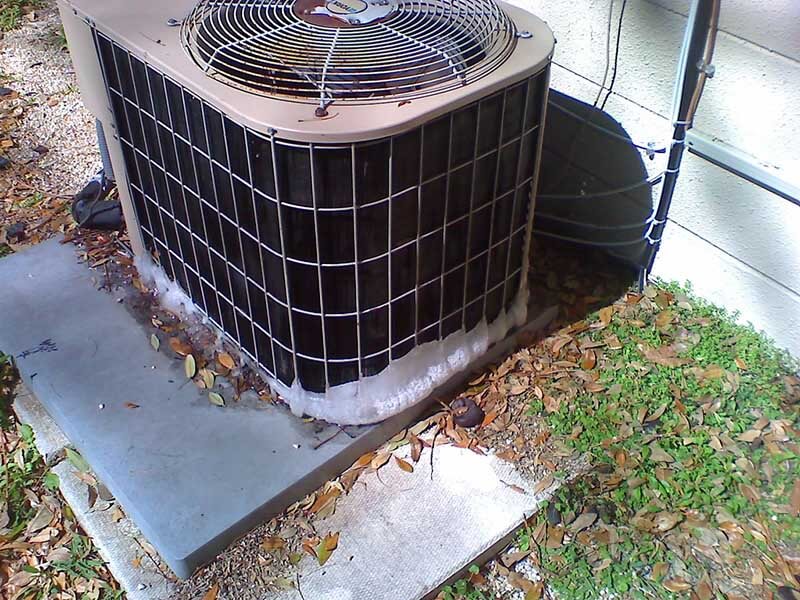
Heat pumps grab heat from things like the ground, water, or air—the sun’s hidden stash—and move that heat into your home, making it warm without gobbling up tons of electricity. Picture a fridge running backwards: instead of chilling food, it pulls heat from outside and pushes it inside, turning a small bit of power into about four times more heat. Unlike a fridge that just moves heat out without much fuss, heat pumps squeeze gas to crank up the heat. This clever machine shows up in three types, each tapping into nature’s warmth in different ways. Folks looking to slash energy bills and cut down on pollution get the biggest payoff here. Want to see how these machines flip cold into cozy like a magic trick? Stick around and learn how to heat your space smarter and greener.
- Ground resource heatpump (GSHP).
- Water resource heat pumps (WSHP).
- Air source heatpump (ASHP).
- This short article gives information on air source heatpump.
- The advantages of air resource heatpump are that they are:.
- Cheaper to purchase than other heatpump such as ground as well as water source heat pumps.
- Easy to install – can be mounted in homes.
- More power efficient than typical non-renewable power systems.
Capable of having reverse-cycle, ie. has a home heating and cooling down setting like all geothermal heat pumps.
Offered as ‘Reverse Cycle chillers’ qualified heat pumps that offer additional heating as well as residential hot water choices.
- Power effective and also lead to minimized annual gas bills.
- The drawbacks of air resource heat pumps are that:.
- They are not as effective as other heat pumps, such as ground and also water resource heatpump.
- The performance and also effectiveness of air resource heat pumps can be affected by:.
- Continual temperatures below freezing.
- High or no wind problems.
- Can be loud although some systems are quieter than others.
- Can be invasive although slim-lined designs are available.
When Choosing An Air Source Heatpump, think about the complying with points:.

Choose a heatpump that has thawed control. Primarily this turns around the heat flow to defrost the outside coil which will reduce the extra electric power use for home heating by the heat pump.
Keep in mind that followers as well as compressors make noise. If in any way possible shot to situate the outside system far from windows as well as from any windows in surrounding buildings. Sound can be more reduced by installing the outside unit on a sound taking in base. All exterior devices should have a sound rating – attempt selecting systems that have an audio ranking of 76 decibels or lower.
See to it that the exterior system is safeguarded from high winds as this will certainly affect the effectiveness of the warm absorption process. The right fencing and growing can accomplish this. There are in advancement ‘Cold Climate Warmth Pumps’ that have a 2 rate two-cylinder compressor, and a back-up booster compressor. These functions allow this system to operate efficiently in temperature levels as low as -9 oC.
If you are mosting likely to make use of the heatpump a lot more in the home heating mode instead of the air conditioning mode then setting up the interior device in a low wall posistion is much better as this will certainly increase its heating efficiency. This is since cozy air surges. Nonetheless, if you are making use of the heatpump more for cooling, then install the device high up on the wall as this placement will certainly raise its cooling efficiency.
There are slim-lined interior heat pump units readily available. They can be recessed right into the wall surface to make them less intrusive in the space.
Kindly visit their page to know where to find a highly trained heat pump contractors.